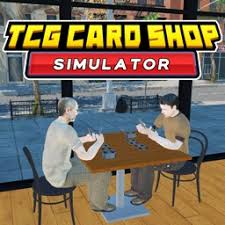
TCG Card Shop Simulator
Description
The set up is specific enough to know exactly who it’s for: You inherit a failing trading card game shop, you restock the shelves, you open packs in the hopes of rare pulls, you sort and price your inventory, and you watch your customers come in to buy, trade, and browse. TCG Card Shop Simulator takes the experience of running a specialty hobby shop and turns it into a management game that clearly understands its audience — people who have spent real money on physical card packs and want to run the store side of that transaction instead.
DICO Games created the title and released it to Steam Early Access in September 2023. The game attracted immediate attention from the trading card collecting community and from fans of simulation games who liked the specificity of the game’s premise. Rather than a generic shop simulator, it simulates the actual mechanics of the hobby: pack distributions of different tiers of rarity, a fluctuating card market, customer demand for particular cards, and the slow work of building a shop’s reputation through fair dealing.
DICO Games targeted TCG Card Shop Simulator squarely at the community that developed around Pokemon, Magic: The Gathering, and Yu-Gi-Oh! card collecting, rather than targeting a general audience interested in simulation games first. The timing coincided with a peak in interest in trading card collecting that had started during the Covid-19 lockdowns and continued into the mid-2020s, as a new generation of collectors entered the hobby and existing collectors became more invested in the hobby.
The Early Access launch model provided DICO Games with a direct feedback loop with the community. Players asked for specific card game licenses, management depth, more shop customization and enhanced card grading systems through Steam forums and community posts, and the developer responded to many of those requests in updates through 2024. The game was given several major content patches that added new card sets based on real-world TCG structures, more customer AI behavior, and a card grading and selling system that allows players to make money from high-grade raw cards.
Steam reviews were also very positive during the Early Access period, with players saying the game nailed the feel of the hobby – including the tension of opening a pack and getting nothing valuable, and the satisfaction of pulling a rare card worth multiples of the price of the pack.
Shop Management
Players manage a physical store space with shelves, display cases, a counter and storage spaces. Products — sealed booster packs, single cards, accessories, and merchandise — take up shelf space that grows as the shop earns revenue and levels up. Stock runs out as customers buy and need to be restocked regularly with orders from the distributors. Shop cleanliness, organization, and product variety impact customer satisfaction ratings that influence foot traffic over time.
Pack Opening and Inventory
Players buy sealed product from distributors and open packs to build their one card inventory. Each set has a defined distribution of rarity, and packs provide random pulls within this distribution. High-value rare cards can be priced individually at market rates or held for the collection. Common cards fill bulk bins. The inventory system monitors the quantity, condition and current market price of each card.
Card Market and Pricing
A simulated card market fluctuates based on demand signals, new set releases and in-game events. The value of a card in the game is based on which customers are interested in the card, how many copies there are on the market, and how recently the set was released. Players who price cards accurately see faster sales; overpriced stock sits unsold while underpriced inventory sells immediately, leaving money on the table.
Customer Interactions
Customers enter the shop with specific wants — a card for their deck, a set they’re completing, a gift for a friend. Some customers offer on single cards or offer trades. Accepting or refusing trades and offers impacts on individual customer relationships and the shop’s reputation in general. Regular customers return more often if treated fairly and remember past interactions.
Card Grading
Players can submit cards for grading, which will receive a numerical condition score that significantly increases the card’s resale value for top grades. The grading process is time consuming and expensive, and there is a risk-reward situation: if you waste money grading a card that comes back with a low grade, you have lost your investment, but if the card graded high and is a desirable card, it can multiply the sale price several times over.
Shop Customization
Wall displays, lighting, shelving setups, and decorative items allow players to design the look of the shop. Aesthetic improvements influence customer experience ratings. Players can theme parts of the shop around certain card games, seasonal events, or personal preference.