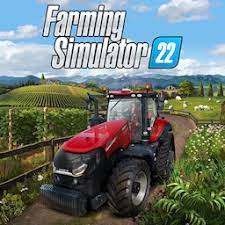
Farming Simulator is a farm-management game built around operating machinery, preparing fields, raising crops and selling the result. A career save tracks owned land, vehicles, money, field states and production work. The player performs each job from the cab or hires an in-game helper for supported tasks. Farming Simulator models a chain of decisions rather than a single driving activity: the wrong crop, attachment or month can leave expensive equipment waiting beside an unusable field.
+
Fields remember work
+In Farming Simulator, standing on a field reveals its owner, current crop, growth state, fertilization and other conditions. Land outside the farm cannot be worked freely; the player must buy it or accept a contract for that specific job. Buying a field can also transfer the crop already growing there, so its present state affects the value of the purchase.
+Soil work follows the crop and the settings. Cultivation prepares most harvested fields, while plowing becomes necessary after certain root crops or when the field information asks for it. Some seeders can sow directly and skip a separate cultivation pass. That saves time but ties the shortcut to a machine that supports direct drilling. A tool with the correct width is still useless if the tractor lacks the required power or connection.
+
Machines fit crops
+Seeders and planters handle different crop groups. Grain equipment cannot plant every root crop, and special crops may need their own harvester and header. The shop icons and compatibility details are therefore part of planning, not decoration. Buying a cotton harvester for a small early farm can consume far more capital than the crop returns quickly; a contract or rented machine can test that work without permanent ownership.
+Field stones add another machine cost when enabled. Small stones can be rolled into the soil after sowing, while medium and large stones need collection. Leaving larger stones can damage harvesting equipment. Weeds, missing fertilizer and neglected lime reduce yield, but treating every condition also consumes fuel, supplies and time. Farming Simulator lets the player choose how much of that margin is worth chasing.
+
The calendar rules
+Seasonal growth ties each crop to planting and harvesting periods. A crop cannot be sown outside its planting window, and a ripe field can wither if harvest waits too long. Changing the number of days per month alters how much real play time each season lasts. A longer month creates room for large farms, but a small operation may spend long stretches with no affordable job.
+The price screen also changes the selling decision. Harvest can go directly to a buying station or into compatible storage while the player waits for another price. Not every crop fits the farm silo, and production chains may consume a crop instead of paying cash immediately. A high displayed price can lose its advantage if the delivery point is far away or the farm needs money before the market changes.
+
Mods must agree
+Farming Simulator multiplayer starts from a save, map and mod list. Anyone joining a modded session needs the required content. A missing or different dependency can stop loading before the farm appears. Server permissions also decide who may buy vehicles, sell property or start contracts, so a successful connection does not give every player the same authority.
+The official ModHub tests submitted content before distribution, but mods can still conflict with one another or with a save. Official troubleshooting for a stalled multiplayer load begins by removing mods and testing a new save. That process is deliberately plain: adding every mod back at once hides the culprit. Keeping a copy of the save before changing its mod set makes the diagnosis less risky.